ABOUT
EMILY MACKENZIE is a New Orleans based director and producer who pushes the boundaries of documentary film. Her most acclaimed work, feature documentary CARPET COWBOYS, is a deep dive into the murky world of American Identity and Carpet Manufacturing. Carpet Cowboys was named one of Vogue’s 10 best Documentaries of 2023 and touted by The Guardian as “the year’s wildest, most surprising movie.” CARPET COWBOYS turned the ordinary into the extraordinary, solidifying MacKenzie’s reputation as a master of the poignant absurd. Most recently MacKenzie field directed the Lifetime Documentary series GYPSY ROSE: LIFE AFTER LOCK UP and is currently in post production on a feature length comedy mockumentary entitled iGRAC: PLEASE HOLD. MacKenzie has produced and directed for Lifetime, Vice, MTV, Fuse, Animal Planet, WEtv, Hulu and HBO Documentary Films.
Her work has been presented at the Toronto International Film Festival, Big Sky Documentary Film Festival, Full Frame Documentary Film Festival, Baltimore’s New Next Film Festival, the Santa Barbara International Film Festival, New Orleans Film Festival, Hot Springs Documentary Film Festival, and the Sidewalk Film Festival.
MacKenzie’s short documentary SCAR STORY (2016) was featured on Atlantic.com and was viewed over 80 thousand times. An excerpt from her project TAPESTRIES, a feminist audio series depicting queer breast cancer narratives, was features on NPR in 2020.
She is a graduate of Bard College (2008) and the New School’s Documentary Media Studies program (2010).
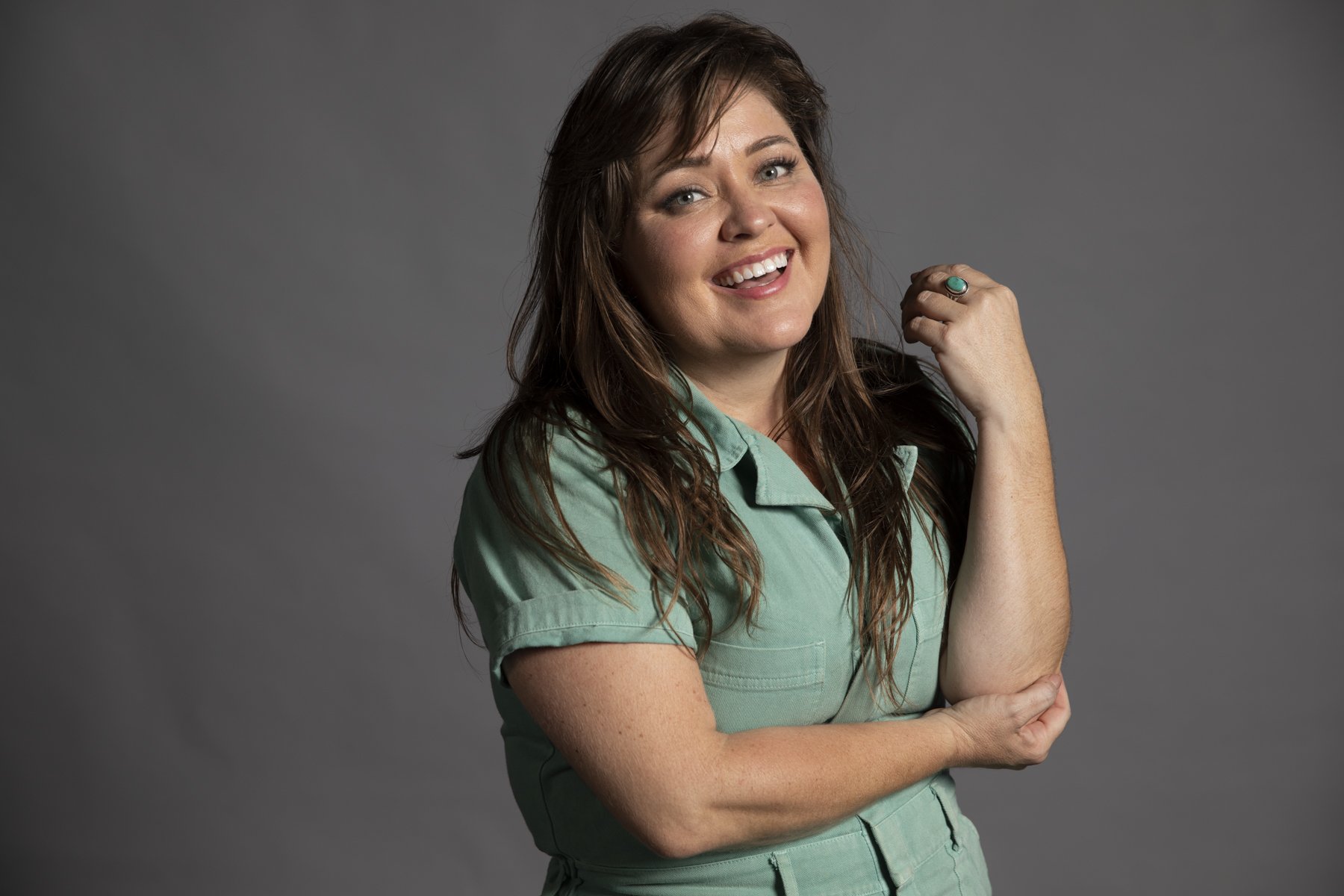
To me, documentary filmmaking is not a subsidiary of journalism; it is storytelling, and all storytelling is subjective. A film emerges from the tensions drawn between the craft of non-fiction storytelling and the maker’s own internal discourses – it is spun out of that pull. I work carefully to avoid imposing a heavy handed critical thesis onto the story and instead aim to create opportunities for queries and curiosity so that the truth and true stories can emerge organically. People will share their story if you are able to listen for it.
Stories have a way of getting into our psyches, of revisiting us hours after we saw or heard them and forcing us to consider what they were about. In storytelling, an audience is invited in to feel and experience the worlds of the characters onscreen. It is experiential and empathetic. Our job as storytellers is to build worlds out of the material we capture in the field. We aim to prioritize moments and emotions that will allow our audience to thoughtfully experience the world of our subjects and perhaps intuitively understand them more fundamentally. It is an exercise in intuition and emotion – arriving at meaning and ‘truths’ through phenomenological experience.
Emily MacKenzie.